Noodle Love
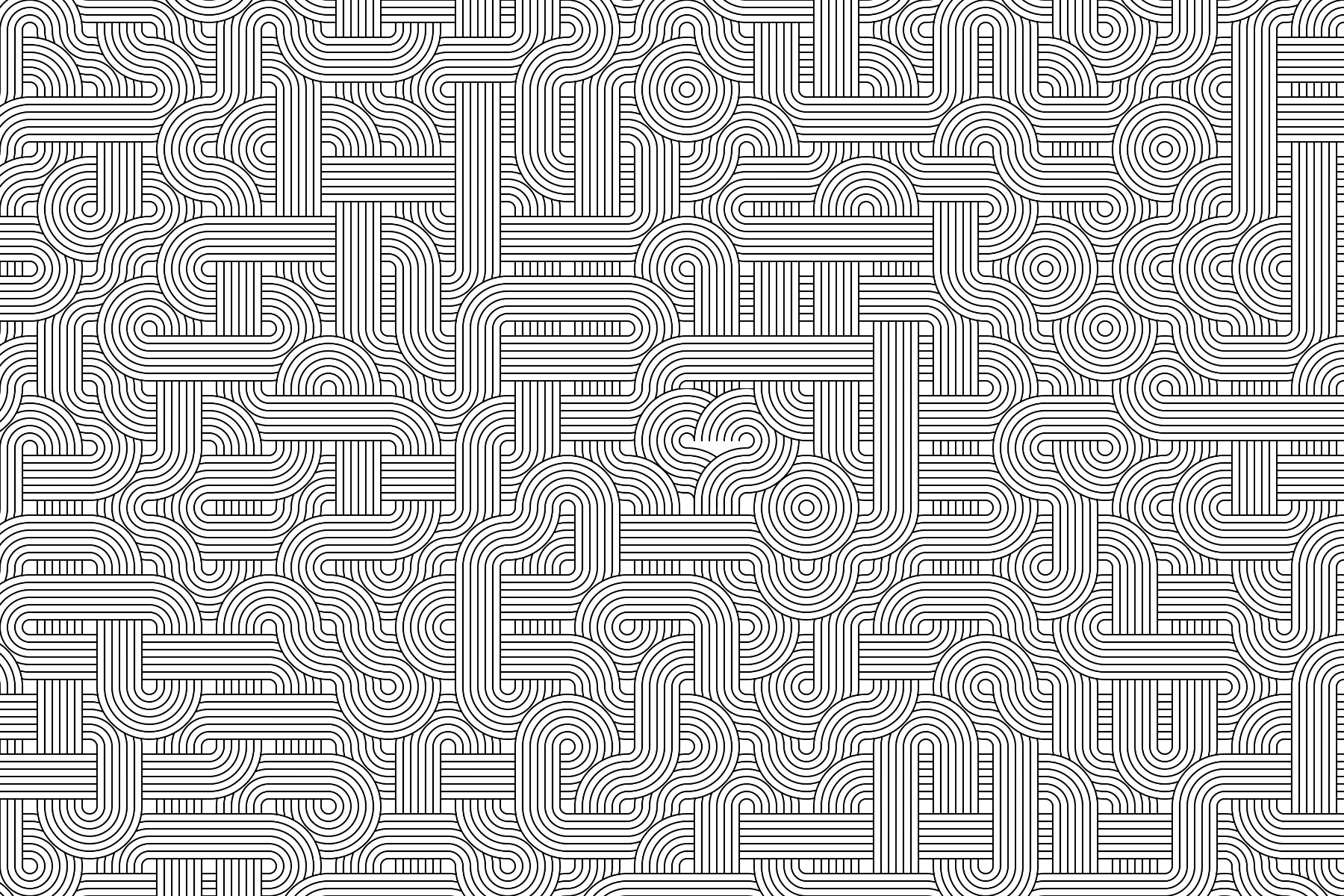
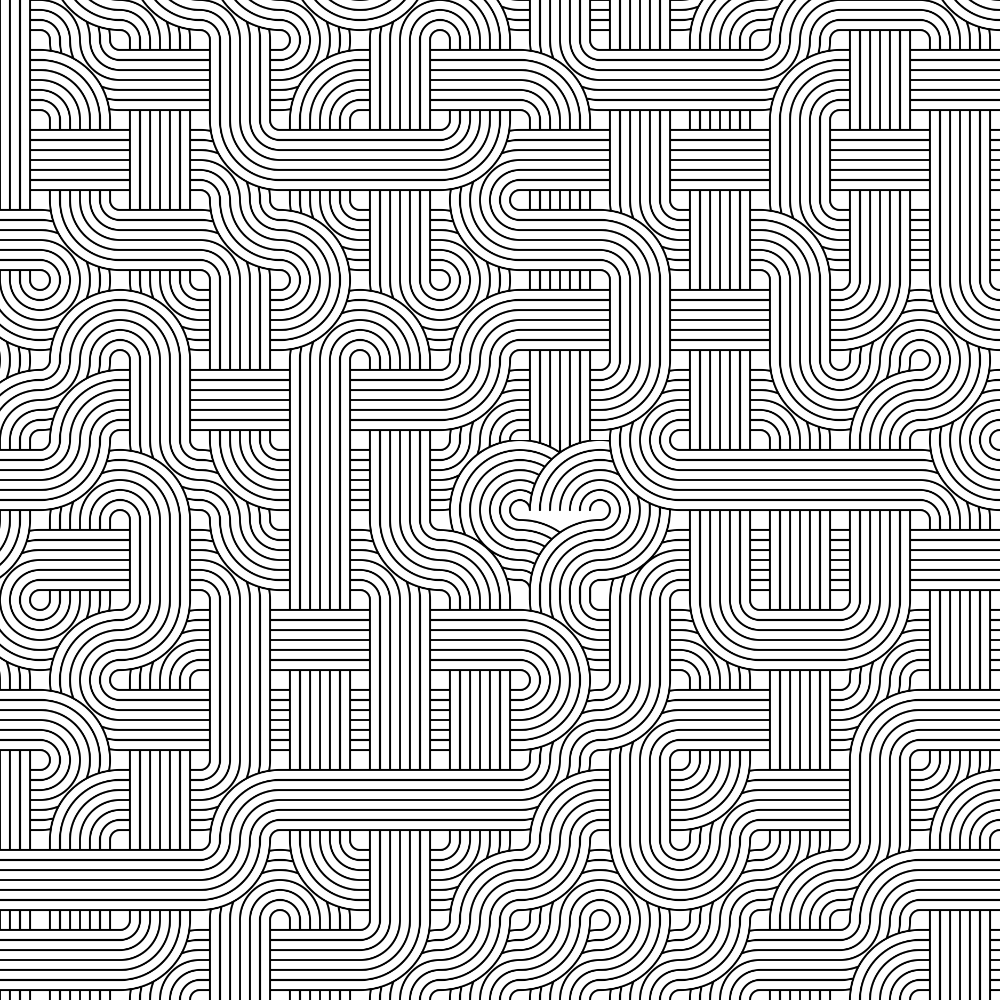
Noodle Love is a generative art piece that creates large-format compositions through algorithmic tile placement and rotation.
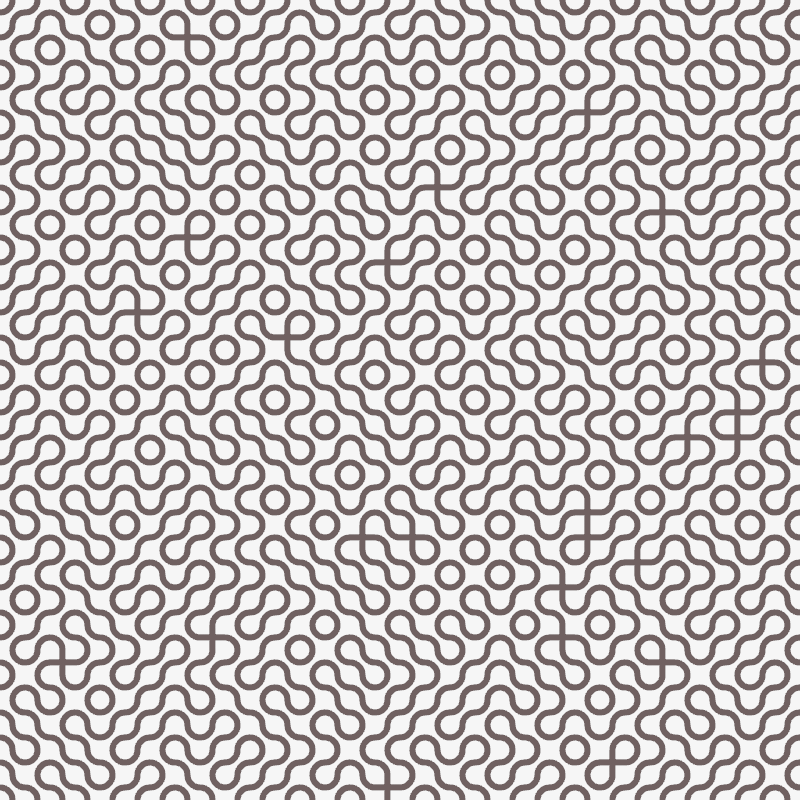
A first iteration focused on the algorithm, not on the eastetics, tiles were drawn in code and I wanted to draw them in a drawing program.
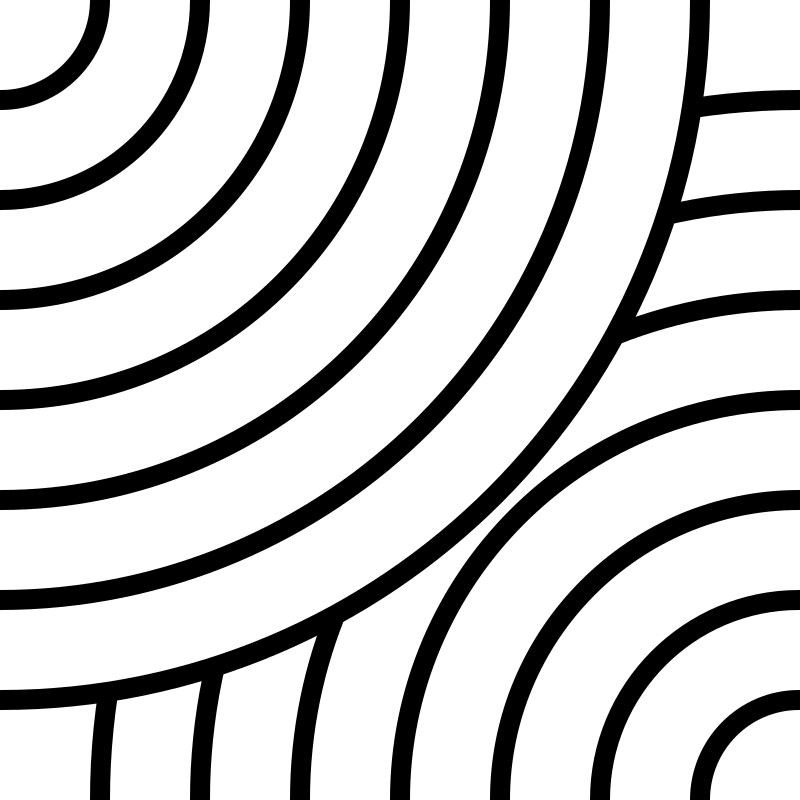
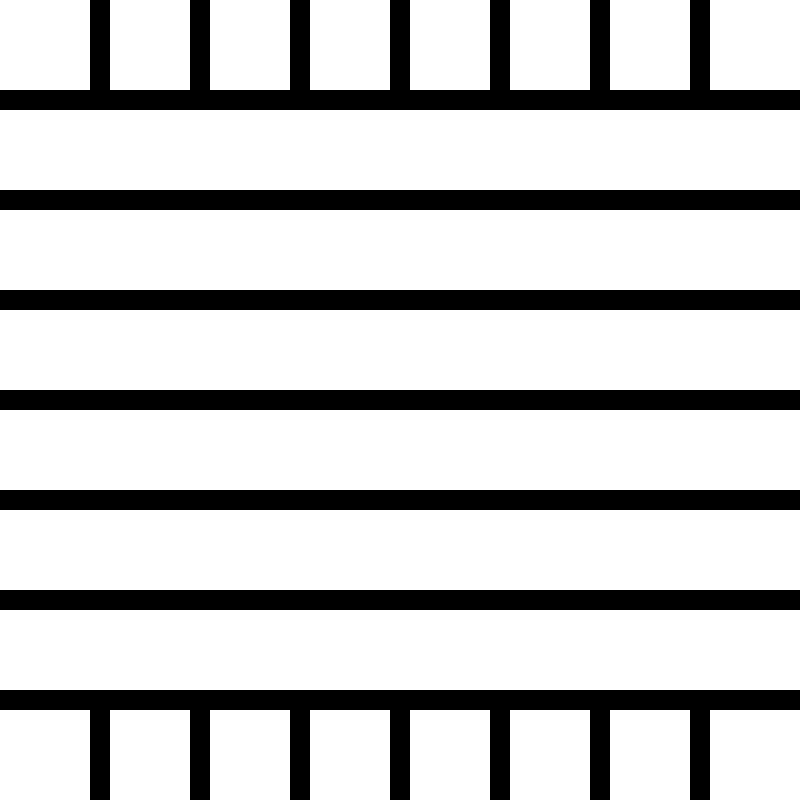
This led me to tiles drawn by “hand”, either in a vector drawing program, or by hand and then scanned. Rather than tiles drawn with code.
Additionally, the code places a special tile in the center. This tile also connects to all other tiles, but is larger. It shows a heart shape. This makes the image look like a maze in which we can find the love, if we look carefully.
By improving the output, I can generate extremely large patterns that can themselves be tiled. Allowing me to order wrapping paper from it.
How does it work?
- All textures connect to other textures regardless of their rotation.
- The algorithm divides the canvas into tiles.
- Each tile receives one of the hand-drawn textures and a rotation (0°, 90°, 180°, or 270°).
- Rather than random placement, the system uses Perlin noise to determine both texture selection and rotation, creating smooth transitions and organic flow across the composition.
- Find a center corner and place the center tile there, over any tiles that may sit there.
|
|
Tools
- Processing for the rendering engine
- Perlin noise algorithm for texture and rotation distribution
- Custom hand-drawn tile textures in SVG
- Designed for large-format output (200.6cm × 70.6cm at 300 DPI)
Sourcecode and history